

Laser Cleaning Machine
Why Choose Us
Wide Range of Applications
Woofee has maintained in-depth exchanges and close cooperation with various industries and fields such as aerospace, device manufacturing, environmental protection, cleaning engineering, cultural relics protection, agricultural production, etc.
Reliable Product Quality
Woofee has developed and produced pulsed fiber lasers with an average power of 100W-2000W, and all key indicators of them reach the leading level in China.
Wide Market
Woofee portable laser cleaning machines are exported to the United States, Canada, the United Kingdom, France, Germany, Japan, Slovakia and other regions, and have won wide praise from the users.
Excellent Customer Service
Woofee will continue catering to the needs of customers and the market, taking technological innovation as its driving force for development, and devoting itself to producing reliable, practical and high-quality new laser products.
Laser cleaning machine, a form of laser cleaning, proves to be a highly efficient method for cleansing metal components. Utilizing a fiber laser cleaning system, it is possible to swiftly and thoroughly eliminate rust and other impurities without causing harm to the underlying metal. Laser rust removal is a great alternative to manual and chemical cleaning methods since rust is removed with greater precision and lower recurring costs. It’s also a great way to reduce your environmental impact. Laser rust removal is a non-contact method that continuously removes rust while drastically lowering maintenance costs.
-
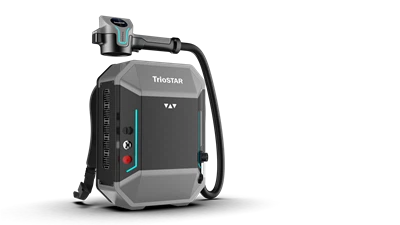
![Backpack Laser Engraver And Cleaner]()
Backpack Laser Engraver And Cleaner
TrioSTAR series laser Engraver and Cleaner with pulse fiber laser technology as the core,Add to Inquiry -
![Portable laser engraver and cleaner]()
Portable laser engraver and cleaner
The TrioSTAR series laser marking, engraving, and cleaning integrated system, powered byAdd to Inquiry -
![500W Laser Cleaning Machine]()
500W Laser Cleaning Machine
The WFLC-500MM laser cleaning machine is developed and produced independently by Woofee Laser. ByAdd to Inquiry -
![Semi-automatic Laser Cleaning Cabinet]()
Semi-automatic Laser Cleaning Cabinet
It is an integrated cabinet machine, has the motor holder, can achieve automatic cleaning andAdd to Inquiry -
![WFLC-2000M Laser Cleaning Machine]()
WFLC-2000M Laser Cleaning Machine
The WFLC-2000M laser cleaning machine is developed and produced independently by Woofee Laser. ByAdd to Inquiry -
![Laser Cultural Relic Cleaning Machine]()
Laser Cultural Relic Cleaning Machine
The machine is designed and produced specifically for the preservation of cultural relics. It canAdd to Inquiry -
![Portable Laser Rust Removal Machine]()
Portable Laser Rust Removal Machine
Laser rust removal machine is a type of manual laser cleaning machine composed of fiber laserAdd to Inquiry -
![500W Laser Cleaning Machine]()
500W Laser Cleaning Machine
The 500w laser cleaning machine refers to a laser system capable of delivering 500w laser power,Add to Inquiry




Advantages of Laser Cleaning Machine
Laser rust removal has low operating costs and is more environmentally friendly
Laser rust removers are great for removing rust that remains on metal surfaces. In the rust removal process, the laser cleaning machine does not need any other consumables and media except for the laser to be turned on. Therefore, there is no need to spend long hours on consumables like chemicals or dry ice, and there is no need to think about storage and transportation of media. Therefore, the use of laser rust removal is indeed very low operating costs, as long as the power is turned on, it can start working normally. Using a laser cleaning machine is a very environmentally friendly way to remove rust. There is no need to worry about the discharge of waste during the rust removal process, and it is harmless to the health of the staff.
Laser rust removal will not cause damage to metal substrates
Laser descaling machine is a high-tech equipment that emits high-energy laser beams to irradiate metal surfaces to remove contaminants on the surface of materials. Since this kind of equipment removes rust in a non-contact way in actual use, and there is no thermal effect during the laser rust removal process, no thermal effect means that no damage to the metal workpiece will be caused. Of course, since the laser rust removal method is non-contact and does not cause mechanical damage, the metal surface can be well protected during the rust removal process.
The laser cleaning machine is easy to operate and easy to move
Using a laser cleaner to remove rust is very simple and easy to operate. The handheld laser rust removal gun is ergonomically designed with an easy-to-grip handle. The operator only needs to hold the handle of the laser cleaning machine, aim at the rusted surface to be cleaned, and then start the laser rust removal. Moreover, the laser cleaning machine is also very suitable for large-scale rust removal operations. For example, if the steel plate of the building material has rust, a laser cleaning machine can be used to remove the rust.
Handheld Laser Cleaners
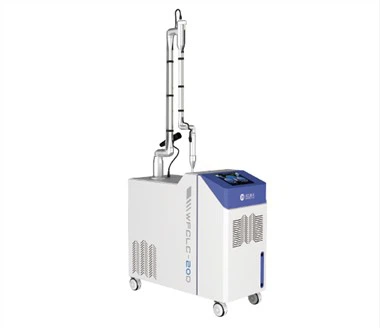
Handheld laser cleanerHandheld laser cleaning systems are workstations on wheels. They’re larger than what most people expect of a handheld device, but they’re still easy to move around. The “gun” held by the operator can be positioned as needed to reach any area on large workpieces. These devices are ideal for low-volume productions where multiple parts of different shapes and sizes need to be processed.
Manually Loaded Laser Cleaning Workstations
Laser cleaning workstations can be fully operated manually while being 100% safe for operators without PPE. Operators are responsible for loading parts into the machine and triggering the laser process. They may also need to perform other tasks depending on the type of workstation, such as opening the door, triggering table rotations, and managing fixtures.
Conveyor Laser Cleaning Machines
Conveyor Cleaning MachineLaser cleaners can be installed directly on conveyors to automate contaminant removal and surface texturing before operations like welding or coating, providing complete surface preparation in a single step. Advanced features can be used to automatically manage inconsistencies in part positioning as well as process large parts with several areas that need to be cleaned. These machines are especially useful in the automotive industry where many parts are moved from one production step to another using conveyors, such as in battery production lines.
Robot Laser Cleaning Machines
Laser cleaning systems can be mounted on robots to automate cleaning operations in robotic cells. They are equipped with advanced autofocusing systems to clean complex parts with high precision. The robot’s high freedom of movement allows the laser to clean various shapes with simple, automatic adjustments. Robot cleaning machines can also be used to automate the cleaning of large surfaces when mounted with an ultra-high-power laser.
OEM Laser Cleaning Systems
Fiber Laser MarkerThe difference between a laser cleaning system and a laser cleaning machine isn’t always clear. Laser cleaning systems are OEM devices that can be integrated into fully custom solutions, typically with the help of a system integrator or machine builder. Laser cleaning machines, on the other hand, are predesigned solutions ready to be integrated in production lines.
Application of Laser Cleaning Machine


Surface Cleaning
This type of cleaning is for the removal of rust from the top surface of the material. Usually, surface cleaning is the widest application of laser cleaning machines. Cleaning activities like paint removal, degreasing, and restoration of the material are all types of surface cleaning.
The rust removal using laser rust removing cleaners is widely found in the heavy metals manufacturing industry. DE rusting or deoxidation is required very often in most of the heavy metal and manufacturing industries. Therefore, the rust cleaning laser is the ideal choice for such industries.
Another major application of surface cleaning with laser cleaning machines is laser spot repair. In this method of cleaning only spots of impurities/rust need to be removed from the surface of the material.
Cleaning of Moulds
Cleaning mold is a very difficult task otherwise. However, with laser cleaning machines, you can easily reach every nook and corner of the molds and clean them of any impurities.
This type of cleaning process is widely used in the food and consumption industry. Because most of the food items need to be packaged in extra clean environments. Therefore, the ideal choice of cleaning the containers with speed and accuracy is by using the laser cleaning process.
Furthermore, the medicine industry also maintains high standards of cleanliness in containers which is an ideal application of laser cleaning systems. Cleaning rubber molds is perhaps the biggest cleaning challenge in the industry. It is because the rubber is not firm and also has absorption properties.
Cleaning Welds
Welding leaves behind surface deposits that need to be removed for the final furnishing of the product. Therefore, laser cleaning machines play an important part in the removal of weld spots for cleaning the unit.
Laser cleaning is suitable for almost all types of metallic alloys and the treatment of their welds. Therefore, it works wonderfully well with aluminum alloys, stainless steel, and other hard metal and their alloys. Thus, you can easily clean the weld spots from the surface of the materials. All of this can be achieved at great speed.
Which Materials Can Be Used For Laser Cleaning Machine?
The most common application of laser cleaning is the cleaning of metal parts. But other materials are suitable as well. A word of explanation.
Like you may have read on one of our other pages, the contaminated layer (rust, paint, dirt, …) gets very hot and starts to evaporate with laser cleaning. A laser beam usually behaves just the same as a normal light beam. This means that it’s more difficult for reflective or white surfaces to heat up than it is for dark surfaces. They reflect most of the light, while a dark surface absorbs the energy of the light beam and doesn’t reflect it as much. The absorption of this energy causes the heating.
Most of the contaminated layers are luckily rather dark and not reflective. Think of rust, old coatings, old paint layers, etc. So these will absorb the energy of the laser beam, heat up very strongly and eventually evaporate. That’s why it’s difficult to remove a reflective or white layer with laser cleaning.
There are two effects that make sure the underlying layer doesn’t get affected. First of all, the laser beam doesn’t work on a reflective surface. There is no heating when the beam gets reflected. That’s why metal parts are very suitable, because bare metal usually reflects really well and as a result, won’t start heating. Secondly, most underlying layers have a higher “evaporation temperature” (=ablation temperature) than the contaminated layer. This means that they will only start evaporating at a much higher temperature. So when the laser beam gets through the pollution, it will partly reflect on the underlying layer and on the other hand, limited heating of the underlying layer won’t remove the material.
Based on everything mentioned above, we are now able to decide which materials are suitable for laser cleaning. In short: every material that isn’t too dark and that can stand a little bit of heat. This gives us the following list:
● Steel
● Inox
● Cast iron
● Aluminum
● Wood
● Plastics
● Composits
● Stone
● Some types of glass
● Chrome coatings
How To Operate A Laser Cleaning Machine Safely
Self-Safety And Environmental Protection
Laser cleaning machines have adequate safety features on their own. High-powered machines are typically equipped with safety features such as enclosed workspaces, interlocks, and safety sensors to keep operators and bystanders safe from potential laser hazards. Compared to traditional cleaning methods such as mechanical and chemical alternatives. Our laser solutions do not produce additional waste to reduce the impact on the environment.
Reasonable Security Measures
Laser cleaning is less of a safety risk. Most portable laser cleaning machines are small in size, low in power, and relatively safe; when using a high-power laser cleaning machine, pay attention to staying away from designated dangerous areas, and the operator should be equipped with necessary safety protection equipment, including laser protective glasses and gloves, Avoid danger.
Effective Operations Training
Learn how to use cleaning technology safely and correctly through training. In order to operate the machine safely, we will conduct related training for laser cleaning machine operations -including safety precautions, equipment operation, maintenance skills and correct fault exclusion strategies, and which settings are most suitable for your specific cleaning needs. In this way, you can get the most effective cleaning without damaging structure.
The Considerations for Buying Laser Cleaning Machine


Power and energy density
Power is an important factor in affecting the cleaning efficiency and speed of the machine. Higher power means a more strong laser beam that can remove stains and surface coatings faster. However, it is critical to achieve a balance because using too much power can potentially damage the surface being cleaned. As a result, it is critical to pick the right power level based on the application requirements. Another essential factor is energy density, which represents the distribution of energy per unit area of the laser beam. Higher energy density provides for more effective stain removal, but too high energy density might cause surface damage. As a result, the energy density should be selected based on the specific cleaning requirements and the material being treated.
Wavelength
The wavelength determines the precise range of materials that can be effectively cleaned by the laser. For different wavelengths of light, different materials have varied absorption qualities. By choosing the right wavelength, you can ensure that the laser energy is efficiently absorbed by the target material, resulting in successful cleaning.In order to select the proper wavelength for the handheld laser cleaning machine, it is critical to evaluate the specific cleaning requirements as well as the type of the materials to be cleaned. This will provide excellent cleaning efficiency and prevent any potential surface damage.
Pulse duration
The pulse duration is important in the cleaning process because it impacts how the laser beam interacts with the target material. Shorter pulse durations are often more effective for eliminating impurities because they provide high peak power and fine control over the laser energy. Consideration of a handheld laser cleaning machine's pulse duration ensures that you select a device that is appropriate for the targeted cleaning applications and materials, resulting in effective and safe cleaning outcomes.
Spot size and scanning area
When cleaning complicated or detailed surfaces, a smaller spot size provides for more exact cleaning. However, it is critical to ensure that the spot size is large enough to effectively cover the necessary cleaning area. Furthermore, it is critical to select a handheld laser cleaning equipment with a scanning area appropriate for the required purpose. Larger scanning areas enable faster cleaning of larger surfaces, whilst smaller scanning areas are more suited to focused or localized cleaning. When choosing a handheld laser cleaner, it is critical to examine the specific cleaning requirements as well as the size of the surfaces to be cleaned. Finding the ideal balance between spot size and scanning area guarantees efficient and effective cleaning while increasing production.
Cooling system
Laser cleaning generates heat, which, if not correctly managed, can lead to overheating and probable laser component damage. A dependable cooling system is required to drain heat and maintain the laser's ideal operating temperature. Water cooling devices, absorb and dissipate the heat generated by the laser. They provide improved cooling efficiency and are appropriate for high-power lasers or applications requiring continuous operation.
Safety features
Laser cleaning produces bright light that might be hazardous to the eyes. The handheld laser cleaning machine should contain or advocate the usage of laser safety eyewear that are appropriate for the laser's wavelength and strength. Emergency stop button: In the event of any unforeseen hazards or crises, an emergency stop button should be easily accessible on the equipment.
Price & Cost
Laser cleaning machines are more expensive than other traditional cleaning machines. The main difference is that laser cleaners can be reused. The laser cleaning machine price varies depending on its configuration. For example, higher power laser generators will cost more, and pulsed laser cleaners are generally more expensive than continuous wave (CW) laser cleaners.
Optics Maintenance
Irregularly inspect lenses and mirrors for dirt, smudges, or damage. Use a clean, lint-free cloth or soft brush to remove debris. If there is stubborn dirt or residue, please use the appropriate cleaning solution recommended by the manufacturer. Apply the solution to a clean, lint-free cloth and gently wipe the optics, being careful not to scratch or damage them.
Laser Alignment
Follow the manufacturer’s instructions for a laser alignment check. This may involve the use of alignment targets, specialized tools, or software provided by the manufacturer. If misalignment is detected, consult the user manual or contact the manufacturer for specific alignment procedures. Adjust the laser generator according to the recommended guidelines to ensure proper alignment.
Cooling System Maintenance
Check cooling fans or radiators regularly to make sure they are clean and free of dust, debris, or blockages. Remove any dust, debris, or obstructions that may limit cooling efficiency. It is recommended to use compressed air or a soft brush to clean the heat sinks and fans. If your laser cleaning machine has a liquid cooling system, check the coolant level.
Lubrication
Check the owner’s manual for any moving parts that need to be lubricated, such as gears, bearings, or sliders. Use the lubricant specified by the manufacturer and apply in recommended amounts and intervals. Apply lubricant to designated parts according to the manufacturer’s instructions, ensuring even distribution and avoiding over-lubrication, which can attract dirt or impede movement. Wipe off excess lubricant to avoid attracting dust or debris.
Consumables Replacement
Monitor the condition of consumable parts such as filters, protective windows, or laser cleaning nozzles. Refer to the manufacturer’s guidelines for the expected useful life of these consumables and replace them accordingly. Replace filters when clogged or damaged to maintain proper airflow and particle filtration.
Laser Generator Maintenance
Regularly check the lens of the laser generator for dust, oil, and other pollution. If present, it should be cleaned immediately. Use a non-woven cloth or cotton swab dipped in medical alcohol to gently wipe the surface of the lens, do not use hard objects or organic solvents. Regularly check whether there is any abnormality in the optical path of the laser generator.
Electrical System Maintenance
Regularly check whether the electrical connection of the laser cleaning machine is firm and whether there is no looseness or corrosion. Ensure reliable electrical connections to avoid problems caused by electrical faults. Regularly calibrate the current and power of the laser cleaning machine to ensure that it works within the normal range to provide a stable cleaning effect.
Air System Maintenance
Regularly check the air system, including the air source, air pipe, nozzle, etc. Check whether the gas pressure is stable, regularly check the gas system for leaks or blockages, and repair or replace damaged parts in time. Nozzles and filters are easy to accumulate dust and dirt, affecting the cleaning effect. Clean nozzles and filters regularly to keep them clear.
Our Factory
In 2019, Woofee Laser was introduced from the Sucheng Economic Development Zone, Suqian .City, Jiangsu Province, into the Laser Industrial Park. With a registered capital of RMB 50 million, Woofee Laser has built 1200㎡ of class 10,000 clean workshops, and has established subsidiaries in Guangzhou and Suzhou. The company was founded by the laser project team of the advanced scientific research unit. The company has built a product line layout combining self-developed lasers and derived laser devices, and has accomplished the R&D and production of various lasers with key technical indicators at the leading level in China.

Our Certifications


Ultimate FAQ Guide to Laser Cleaning Machine
Q: Do laser cleaning machines really work?
Q: What is the principle of laser cleaning machine?
Q: How to choose a laser cleaning machine?
Q: Do laser machines use a lot of electricity?
Q: Does laser cleaning remove paint?
Q: How do you disinfect a laser machine?
Q: Is laser cleaning cost effective?
Q: How long does a laser cleaning machine last?
Q: Does laser cleaning work on wood?
Q: Can you laser clean fiberglass?
Q: Is laser cleaning cost effective?
Q: What can a laser cleaning machine clean?
Q: What is fiber laser cleaning?
Q: Are laser cleaning machines safe?
Q: How does a laser cleaning machine work?
Q: How do I choose a laser cleaning machine?
The substrate and the type of contaminant.
The thickness of the contaminants.
The approximate cleaning time you need.
The subsequent steps in your manufacturing process.
